The Science of Habit Formation: Building Routines That Stick
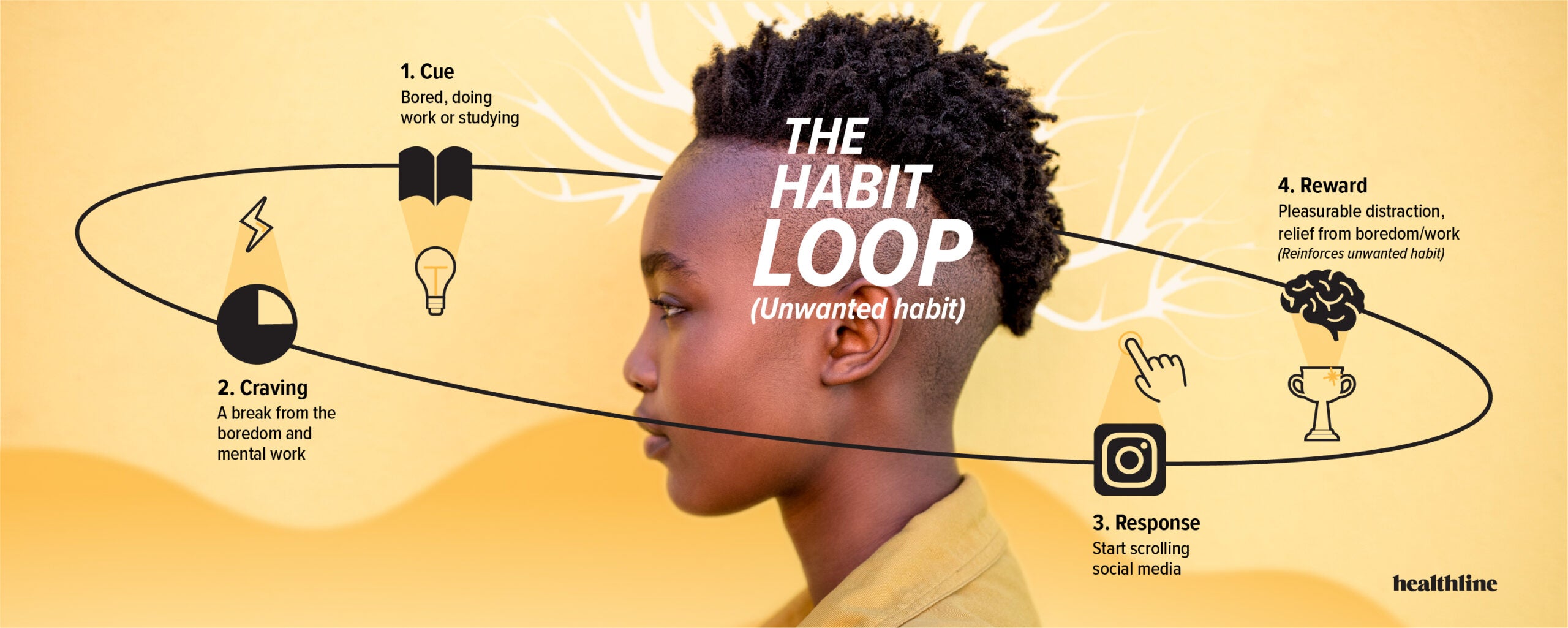
Habits underpin up to 40% of our daily behavior—from brushing our teeth to scrolling social feeds. While they can free mental bandwidth for more important decisions, they also can lock us into unhelpful patterns. By understanding how habits form in the brain and leveraging proven techniques, you can intentionally craft routines that support your goals, whether that’s exercising regularly, eating healthier, or fostering more mindful technology use. This deep dive explores the neuroscience of habit, the cue–routine–reward loop, evidence‑based strategies for habit change, and tools for tracking lasting transformation.
Understanding Habits & Their Neuroscience
How Habits Live in the Brain
Neuroscientists have pinpointed the basal ganglia—a cluster of structures deep in the brain—as the seat of habit memory. When you repeat an action in a consistent context, neural pathways strengthen, gradually shifting control from the conscious, effortful prefrontal cortex to these automated circuits. Over time, what required deliberation becomes almost reflexive: the smell of coffee triggers the same mental pattern that flips on your kettle.
-
Chunking & Efficiency: Habits are “chunks” of behavior your brain packages together to conserve energy. Once formed, the “chunk” executes almost autonomously, letting you think about other things—driving home while planning dinner, for instance.
-
Neurochemistry of Reinforcement: Every habit loop culminates in a dopaminergic “hit.” Whether it’s the taste of sugar, the endorphin rush after a run, or the little ping of a notification, dopamine signals “that felt good—do it again,” reinforcing the pathway.
The Stages of Habit Formation
Research suggests it takes an average of 66 days to ingrain a new behavior—but the range is wide (18 to 254 days) depending on complexity, context, and individual differences. The process unfolds in three stages:
-
Initiation (Awareness & Intent): You decide to adopt a new behavior—“I want to meditate daily.”
-
Acquisition (Repetition & Reinforcement): Each time you meditate at your chosen cue, the neural connections strengthen.
-
Automation (Cue‑Triggered Execution): Eventually, the cue alone—your morning alarm—sparks you sitting on your cushion without conscious deliberation.
Patience is essential: early repetitions feel effortful, but each iteration moves you closer to automaticity.
Comments
Post a Comment